The ReBioCycle project is aimed at supporting the transition from fossil-based plastics to biobased biodegradable alternatives. “Ultimately we want to move away from fossil plastics to bioplastics, and we need to reduce overall plastic use as well,” says Project Coordinator Kevin O’Connor of UCD who is also Director of the BiOrbic Research Ireland Centre for Bioeconomy (BiOrbic).
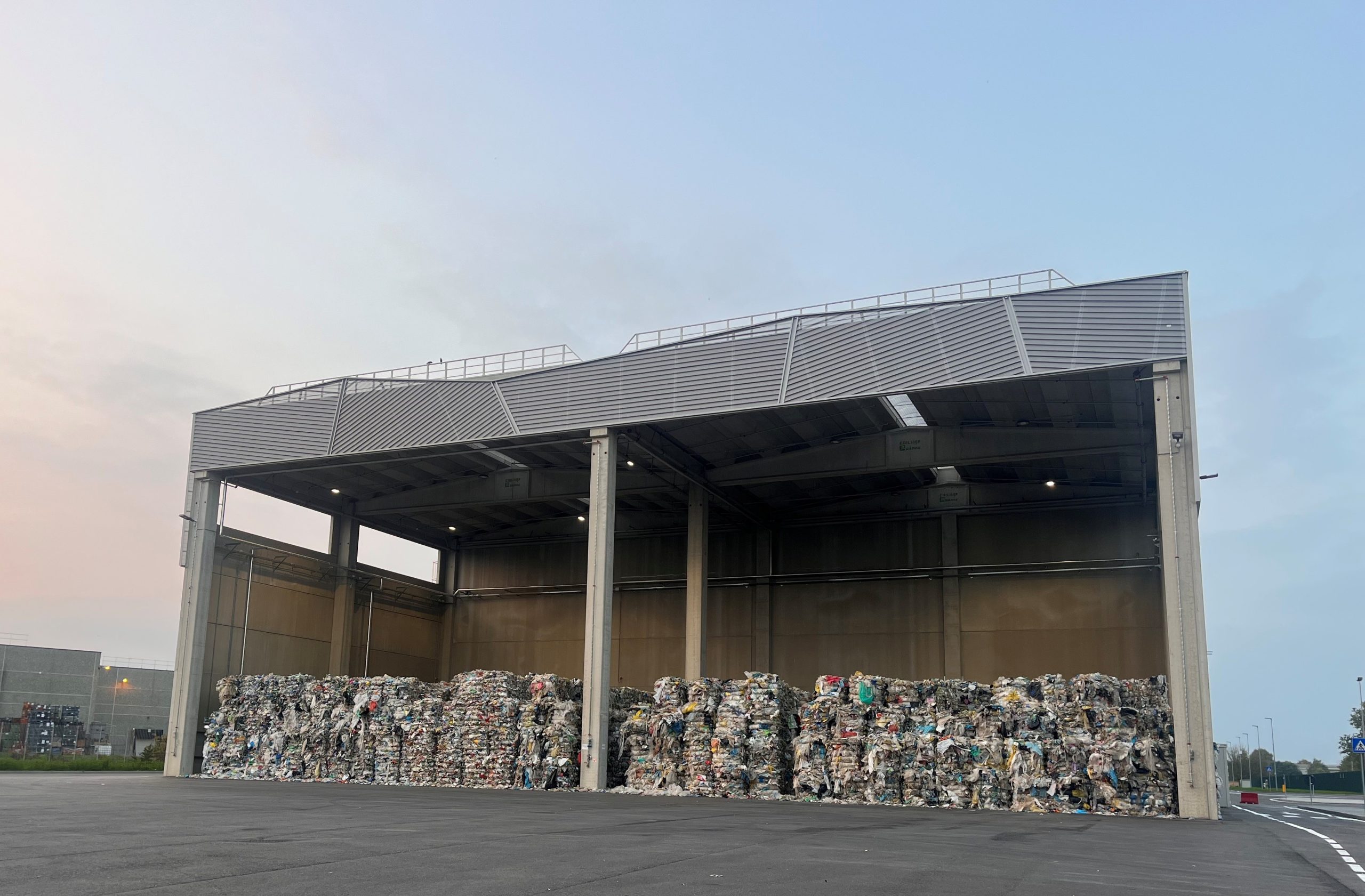
O’Connor explains that one of the barriers to widespread adoption of bioplastics is the perception that they are not readily recyclable. Indeed, plastic recycling facility operators currently consider bioplastics to be a contaminant rather than something that can be recycled into valuable high-performing materials.

Kevin O’Connor, Director BiOrbic Research Ireland Centre for Bioeconomy (BiOrbic)
The ReBioCycle project aims to demonstrate that bioplastics can be recycled effectively and efficiently to obtain the same or superior grade polymers and other high-value products. The recycled outputs will then be tested by the polymer industry to verify their quality and useability.
“Fossil plastics are primarily by-products of the oil industry,” O’Connor explains. “The same types of plastics can also be made from bio sources. Ethanol can be made from sugarcane and that can be processed into ethylene and polyethylene. This is an example of a biobased plastic that is not biodegradable. They can take 1,000 years to be degraded by nature. We are interested in biodegradable bioplastics.”
The project focuses on specific types of bioplastics known as PLA (polylactic acid) and PHA (polyhydroxyalkanoates) and composites made of starch and other biobased plastics. PLA is made from renewable resources like sugarcane and corn starch. It is biodegradable and compostable and can be used for food packaging, textiles, and 3D printing. PHA is also biodegradable and is produced by microorganisms using plant sugars or vegetable oils. Thermoplastic starch is one of the biggest selling biodegradable plastics on the market and its most well-known use is in compostable plastic bags used for kitchen waste
“These bioplastics come from nature and can be broken down by nature,” O’Connor points out. “Food contaminated biodegradable bioplastic can be put on the compost heap, but bioplastics should be reused or recycled before they are composted and returned to nature, if at all possible. That is part of the circular economy strategy – to maintain materials in the materials cycle at its highest use value for as long as possible.”
Horizon Europe expands possibilities
The €10.4 million four-year project involves 19 partners based in Ireland, the Netherlands, Germany, Belgium, Spain, Italy, Finland, and Malta. “Participation in Horizon Europe provides us with the opportunity to engage with international industry and academic research groups and avail of expertise and novel technologies unavailable here in Ireland,” he says. “The finance enables you to go beyond what you could achieve with just national funding.”
Enterprise Ireland provided important support for the Horizon Europe funding application, he adds. “I received €12,500 which was used to support a consultant grant application writer with a lot of experience on the specific programme we were applying to. It wouldn’t have been possible to put together the consortium and secure funding for the project without that support.”
Making the business case for bioplastics recycling
In essence, the overall aim of the project is to overcome recycler scepticism in relation to bioplastics. “We are working with recyclers in the Netherlands, Spain and Italy to bring in recycling technologies and demonstrate them. After that, we’ll scale them up in waste processing facilities to make a business case for bioplastics recycling. This is close to market innovation.”
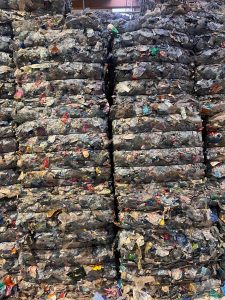 Three different recycling approaches are being trialled – mechanical, chemical and biological. The mechanical approach involves melting down the plastics and reprocessing them, but the quality of the plastic usually deteriorates as a result. Chemical recycling breaks the polymer chains down into their individual building blocks out of which new polymers can be made with no loss of quality. The biological approach uses microorganisms and enzymes to break down the plastics with the outputs being used to produce new plastics, again with no loss of quality.
“The project started in October 2024, and the trials have gone very well,” he says. “Our partner in the Netherlands is building the chemical recycling pilot plant. That should be ready by Q4 2025. Scale up will start after that. Our Spanish partner is focusing on mechanical and biological recycling, and the Italian partner is looking at chemical processes.”
Technology is also being deployed to sort the bioplastics from the fossil plastics at recycling facilities. “We can separate them by using near infrared light,” O’Connor says.
The Irish partners in the project consortium – UCD, TCD, University of Galway and GlasPortBio – are technology providers, O’Connor points out. They will use the bioprocessing pilot scale facilities at the former Lisheen mine in Tipperary to scale and demonstrate their biotechnology and chemical technology solutions.
Contributing to the creation of a truly circular economy
O’Connor believes the project is critically important for the development of the circular economy. “The motivation for me as a scientist is that I have seen the huge amount of effort going into recycling fossil-based plastics. But is this creating a pathway to a sustainable future? Will it mean that we are going to be stuck with fossils for the future? The phasing out of fossil-based plastics is essential to create a truly circular economy. Policy at EU level must support the transition away from the use of fossil-based resources to bio-based ones and stopping fossil fuel subsidies. The fossil fuel industry is massively subsidised. That needs to change.
The anticipated impact of the project will be the demonstration of bioplastic recycling technologies at pilot scale in facilities that can be replicated by other recycling industry organisations. That, along with the validation of recycled products for performance, will in turn help to increase bioplastic recycling. It is also intended to publish a position paper on biobased biodegradable plastics recycling that O’Connor and his collaborators will want to use to inform EU policy so that biobased biodegradable plastics are seen as legitimate materials in plastics recycling streams and not as contaminants in the recycling system.
If you are interested in finding out more about the Horizon Europe programme contact horizonsupport@enterprise-ireland.com for further information or go to Horizon Europe Ireland
Ends